
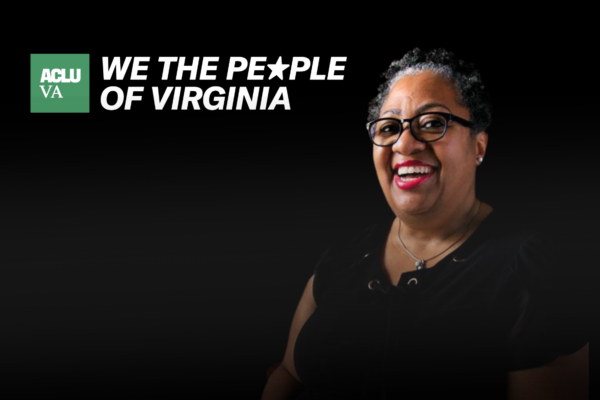
Paulettra loves someone who is incarcerated. For years, she and her husband, Jerry James, have called each other every day. He has sent her countless handmade cards for their anniversaries and holidays. Yet, despite the hard work Jerry has done to better himself and his community, he remains incarcerated.
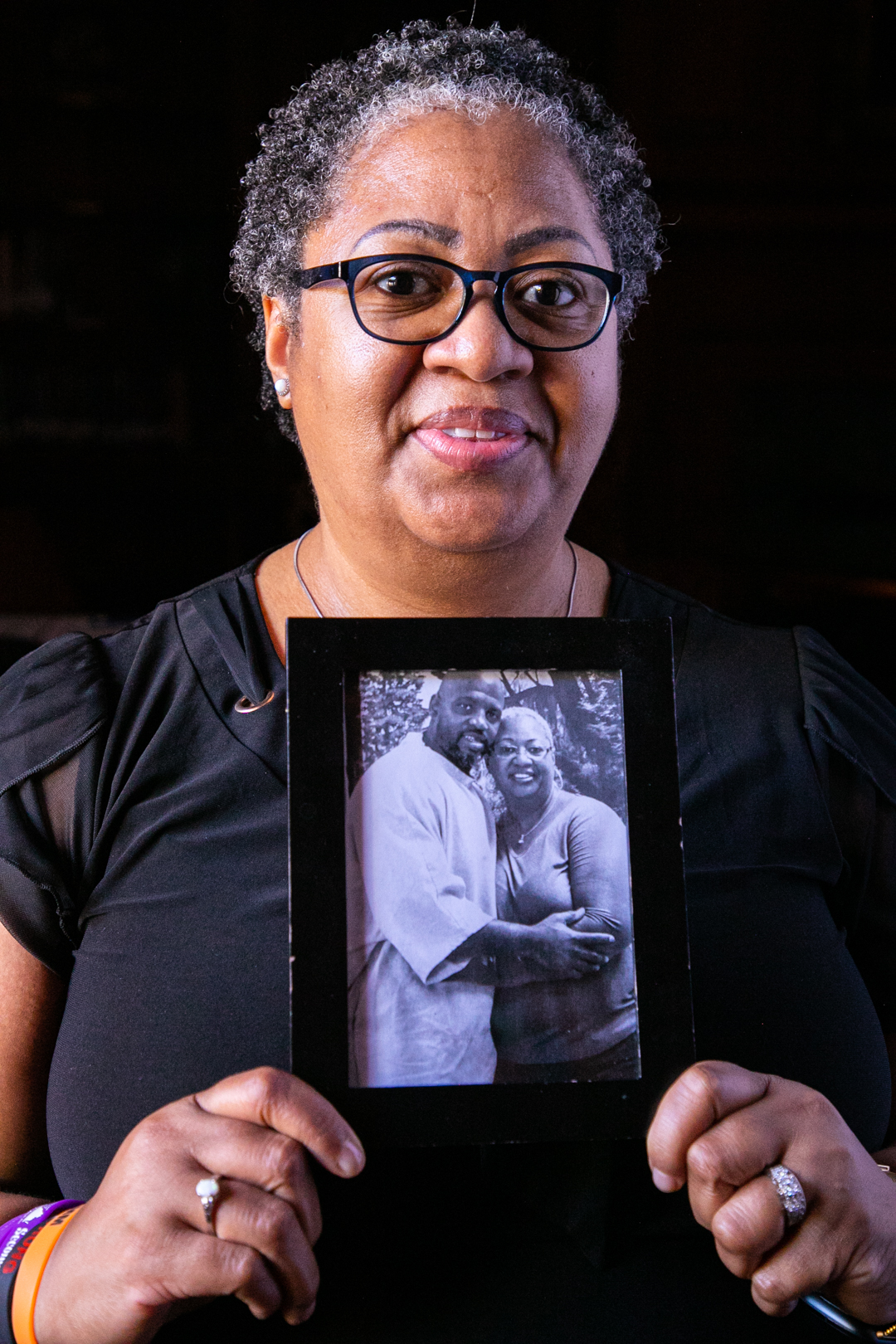
Paulettra holds a photo of her and her husband, Jerry, during a prison visit.
Photo: Phuong Tran
Families should be able to be home for the holidays. Every year, there's an empty chair at Paulettra's table — waiting for Jerry.
Loving Jerry started Paulettra's fight to bring him home. She co-founded Sistas in Prison Reform with two other women whose loved ones were incarcerated to advocate for people like them.
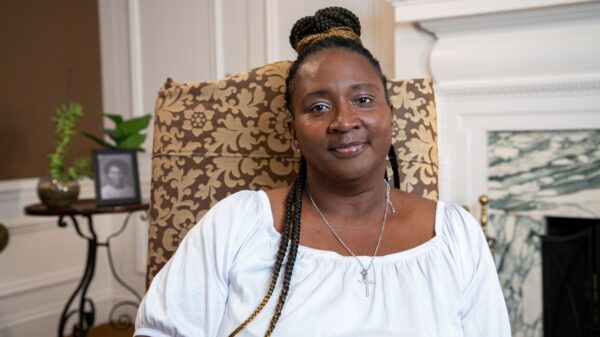
We joined Paulettra at the 2025 Second Chances Working Group (SCWG), an annual conference hosted by Families Against Mandatory Minimums (FAMM) for justice-impacted advocates and formerly incarcerated people. We sat down with her to reflect on the inspiring conference and her five-year-and-counting effort to bring Jerry home.
Watch Paulettra and Jerry's love story
How is your husband, Jerry, doing?
It's like a roller coaster for him right now. He did receive some of his earned sentence credits last year and was notified that his release date changed from 2033 now to 2027, so he has just about two years remaining. But he's just ready to be home. He’s ready to come home and work and spend time with his parents. His dad's health is really failing now. We fear that something may happen before he gets released. It's very heartbreaking for us. He and his dad have such a close relationship, so we are hoping that he will be able to spend time with him outside of prison.
What would you like people to know about Jerry and people like him?
These are individuals who have been incarcerated for a very extensive period of time but have also worked very hard to rehabilitate themselves. Whether it's through VADOC [Virginia Department of Corrections] programs or self-development and perseverance, they are getting degrees and certifications for different trades. Some of them are even writing books. They're artists. They are running businesses and starting nonprofits while incarcerated. These are individuals that have worked so hard to rehabilitate themselves and to prove to society that they have changed, that they are not the same person that made the mistake that caused them to be incarcerated.
Watch how people who have been incarcerated are giving back to their communities
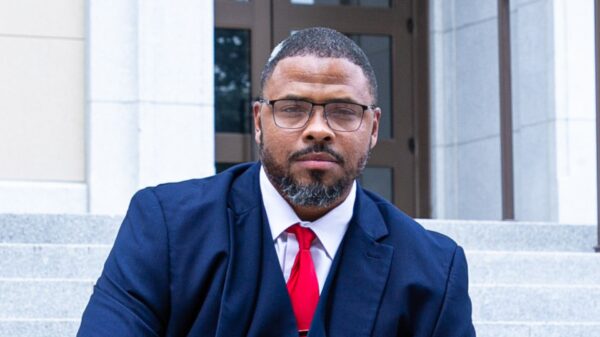
Meet Shawn
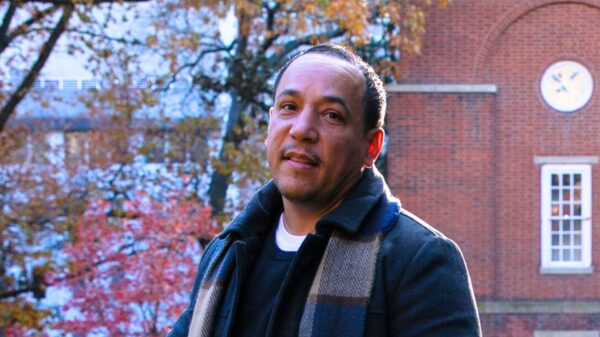
What is FAMM's Second Chances Working Group fighting for?
I come to this conference to get some insight on my personal fight, as I continue to advocate to get my husband home after 25 years of incarceration in Virginia. It's an opportunity to network with other advocates who are in a fight to bring Second Look legislation to their state. We know that it is something that is desperately needed. It is something that we feel like will benefit not just our community, but an opportunity to reunite families who have been separated for such a long period of time due to the criminal justice system.
My hope from this conference is that we'll be able to learn how to combat those carve outs, so that everybody has the opportunity [to be released]. I also want to learn how to work better with our lawmakers and how to get our lawmakers to see the good that this legislation can bring to our society.
Why should people join you in this fight?
We have to keep fighting. We are not alone. There are hundreds of people here, hundreds of stories. Together, we can make change happen.
People who are incarcerated never stopped being a part of their community. They've never stopped being a part of where they came from. A lot of them are already starting nonprofits that give back to those same communities that they caused harm to. We need to give them that opportunity to do it as a free person.
I believe that everybody knows somebody that is impacted or affected by the criminal justice system, and it just takes one conversation to change hearts, change minds, to educate, to give insight into different perspectives.
How does “Hope create the conditions to end mass incarceration,” as a formerly-incarcerated person shared at the FAMM convening?
Hope for those that are incarcerated means a light in a dark place. Hope for them is an opportunity to know that one day, they will be able to hug aging parents. They will be able to reunite with families that have been divided. They will be able to watch their children grow up. They will be able to put an end to generational cycles and curses that occur so much in families who are impacted by incarceration.
If we hope enough, we can bring an end to mass incarceration. I believe if we hope enough, we can make changes to our criminal justice system. And I believe that hope starts with ensuring that people get out and vote. I will never stop saying the most important way that you can make your voice loud is to show up at the ballot.
Show up election time, not just when there are federal elections for president of the country, but get out when there are local elections in our cities, our state, our localities, even down to the school board. Those votes matter. Hope is always going to be alive, as long as we do our part and get out and vote.