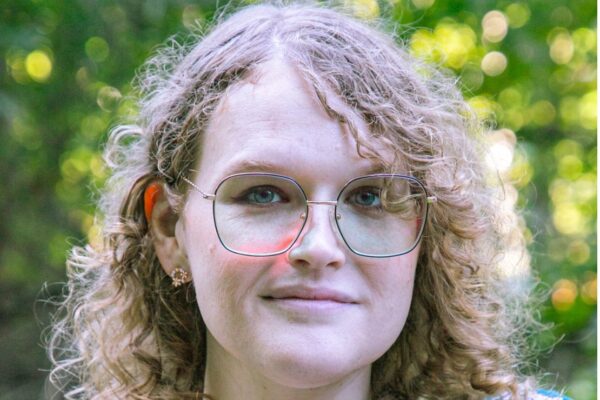
Liberty University fired Ellenor Zinski in violation of Title VII of the Civil Rights Act of 1964 after she disclosed her identity as a transgender woman. You can read more about the lawsuit we filed on her behalf here.
“Christianity has been so weaponized against the LGBTQ community, but there doesn’t need to be a conflict: you can be transgender and Christian. I am,” said Ellenor, our client in Zinski v. Liberty University
We sat down for an interview with Zinski about her journey – one of transformation, acceptance, and ultimately, joy.
What has your journey been like to find community?
I was raised in a conservative Christian household with a belief system that was interwoven with fundamentalism and even some asceticism. Throughout my life, I have steadily been taking myself out of my own comfort zone, from going to school out in San Francisco, to doing public advocacy work. I realized how we all live in our own little cultural bubbles, and over the years I’m happy to have learned to look at others with kindness and compassion instead of judgment or avoidance because someone lives differently than I do.
Is there a story behind your name? Why did you choose “Ellenor”?
When trying to choose my name, I originally thought it might be good to change it to something similar to my old name, like “Jan” or “Joan,” but that gave me a weird feeling, and I would have been doing that for others and not myself.
I decided to try and pick a name that was different from my old name, but that I would immediately recognize when being addressed. Growing up, I used video games as stress relief and sometimes a distraction. My username for a lot of things was “Nutella,” since I’ve been a chocolatier and also just enjoyed the product growing up. I realized that if I chose the name “Ella,” I would know people were addressing me instinctually. Ella felt like a nickname, so when looking for longer versions, I found “Eleanor” – though I realized there were multiple spellings. I found out that “Ellenor” was the Hebrew spelling of the word, and coming from a culture surrounded by Bible-inspired names, this name just felt right.
Ellenor is actually Hebrew for “God is my light,” which I still resonate with to this day.
What does your faith mean to you?
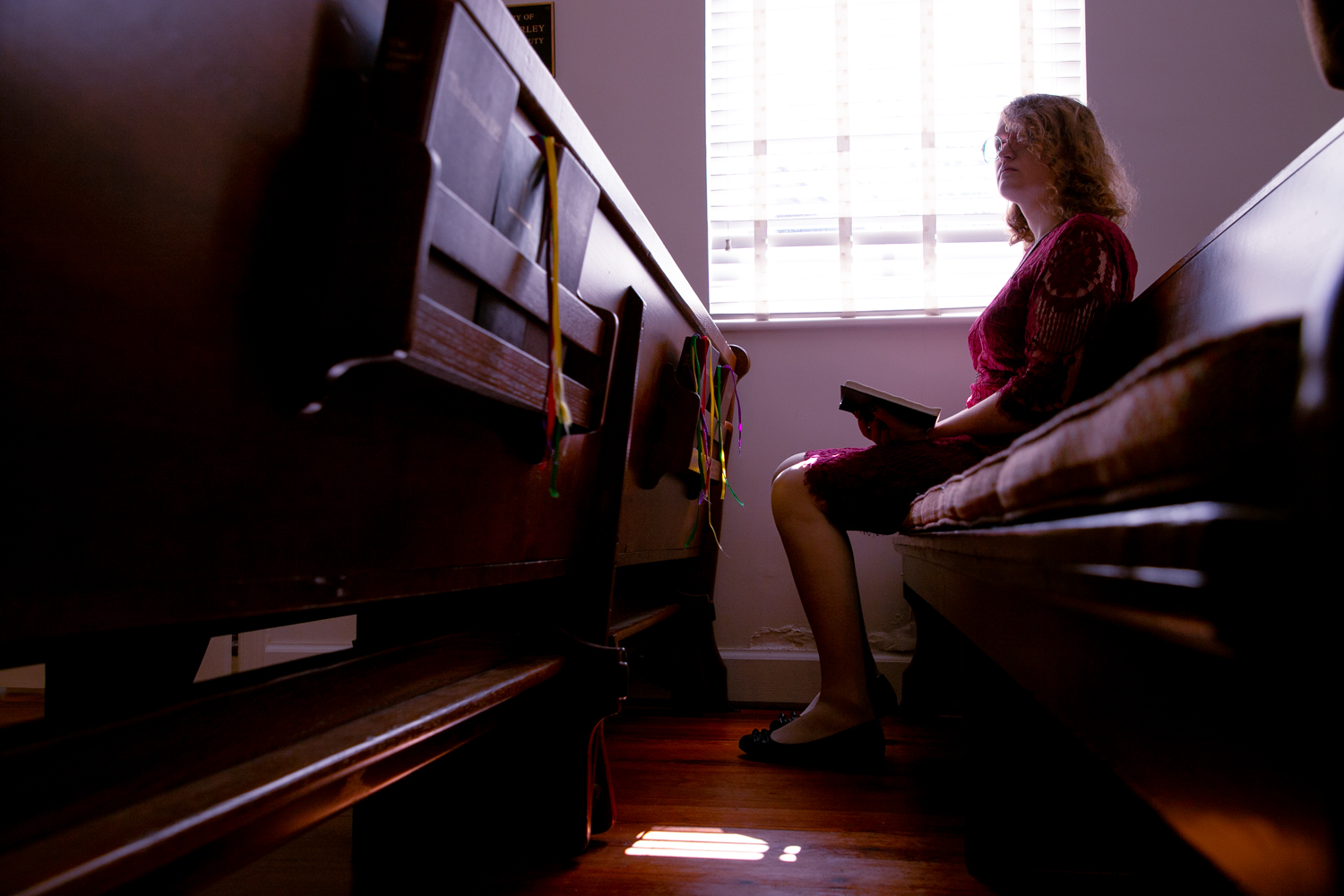
Something most people don’t realize is that the definition of indoctrination is “the process of teaching a person or group to accept a set of beliefs uncritically.” This means if you were taught a religion as a child, and you were told it is the truth, and discouraged from being critical of those beliefs, you were indoctrinated.
I think a lot of people would have a hard time admitting they were indoctrinated if they are still practicing the exact religion they were taught in childhood. I’ve learned that it’s okay to question beliefs, and it’s okay to look at the beliefs of other denominations and even other religions altogether. Even Rev. Dr. Martin Luther King Jr. was a Baptist pastor, but drew inspiration from the teachings of Gandhi and incorporated those teachings of nonviolence into his message.
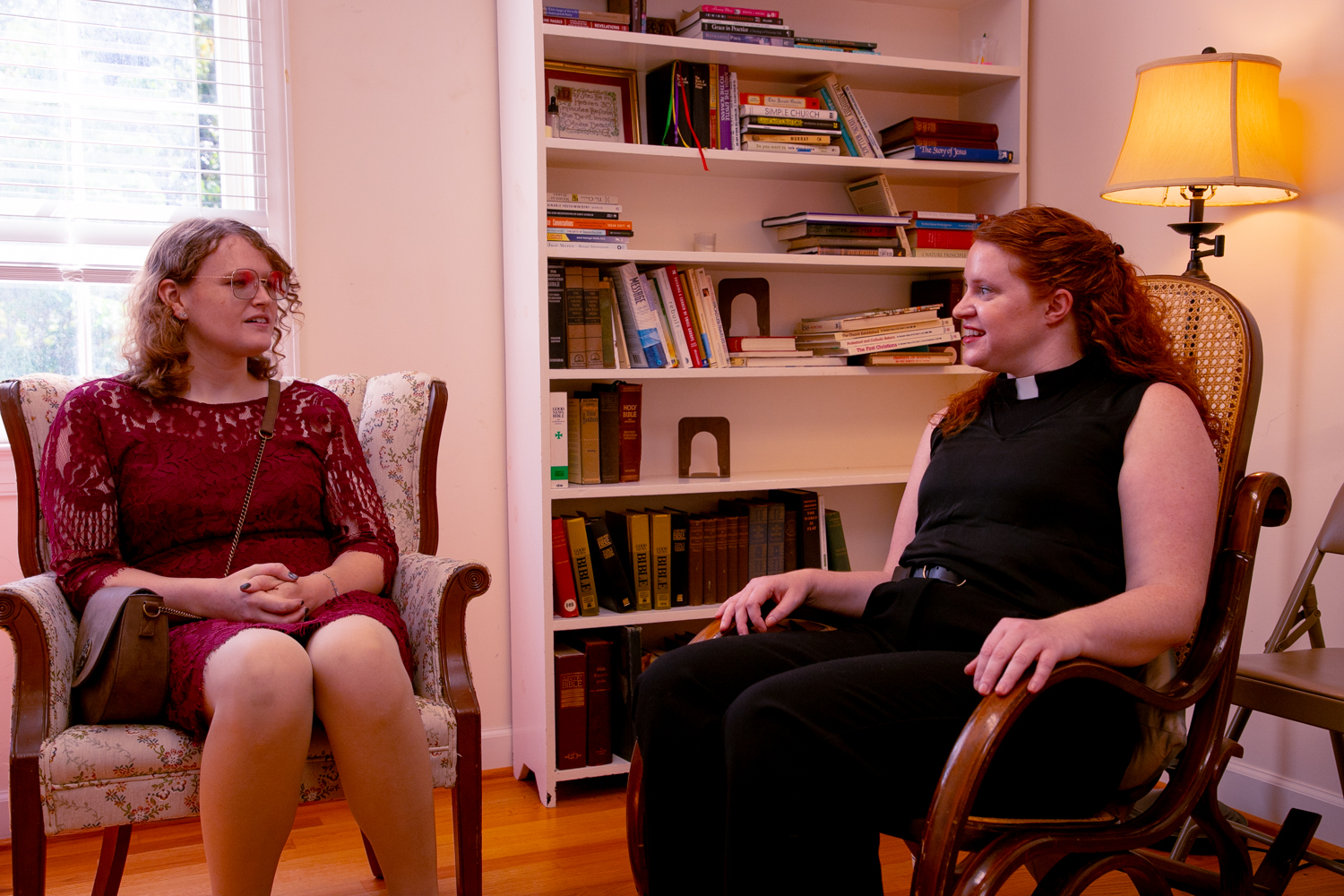
My own personal belief system has shifted. I was raised Baptist. I’ve been to nondenominational, Methodist, Episcopal, and even visited a Mormon church once. My belief system currently focuses on the foundations of Christianity, that God is love, and “For as by a man came death, by a man has come also the resurrection of the dead.” I try not to let myself get caught up in denominational beliefs, which have shifted and changed so much over hundreds of years.
How did you wind up back in Lynchburg?
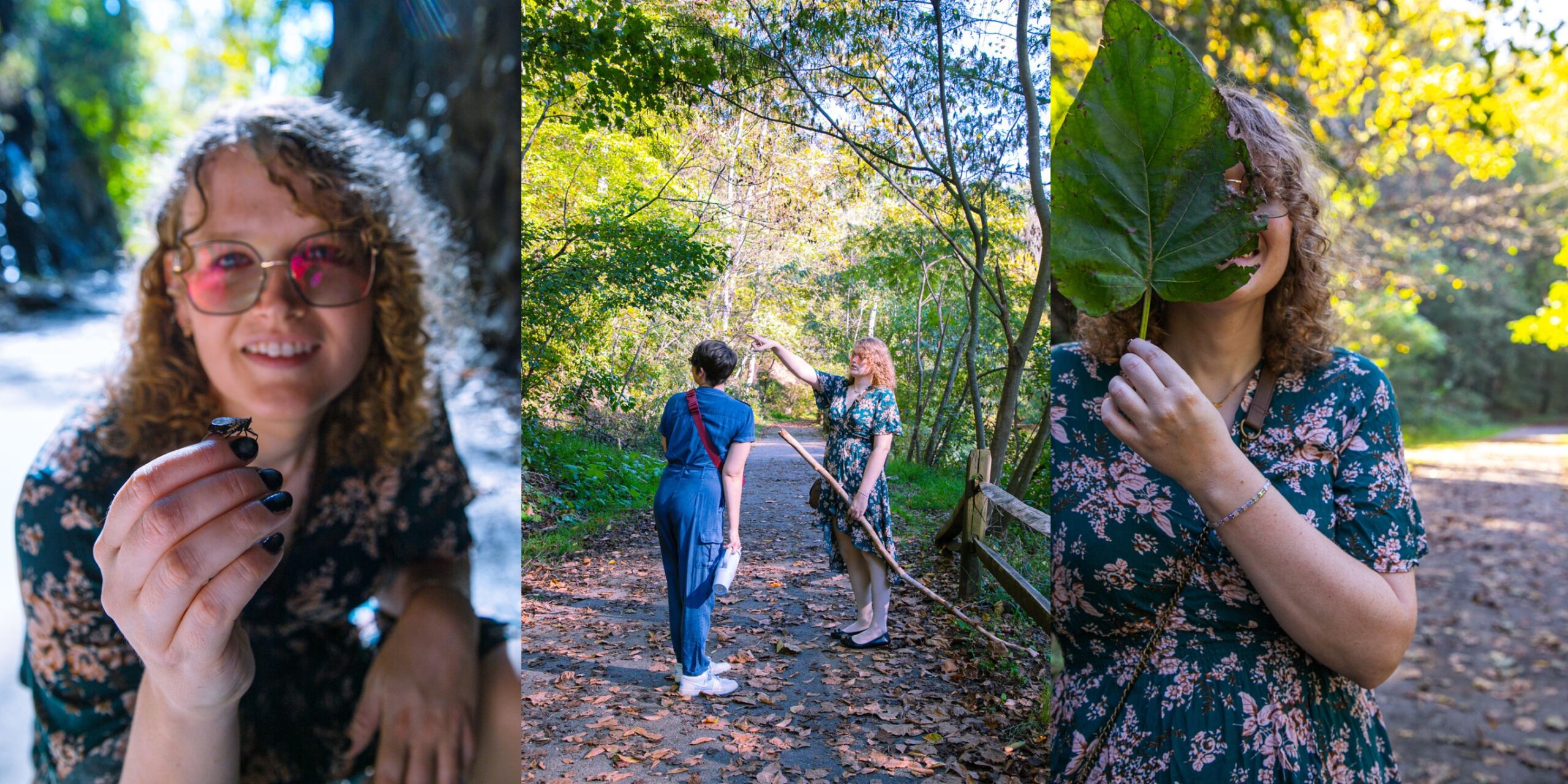
I’m the type of person who will get really into a subject and research it heavily. I remember being about 17 and getting really into nuclear radiation: Alpha, Beta, Gamma, it was all so cool to me. I asked my dad for a Geiger counter for my birthday that year, and he found a really old one that worked!
That type of thing kind of consistently happens to me, with my interests ranging from using chemistry to refine precious metals, to fungus, to animals, to plants. To put it simply, I really love learning about something that interests me and finding ways to apply that knowledge. I also really just like being out in nature in general; it’s one of the main reasons I left San Francisco. I felt so disconnected from nature out there.
What has been most joyful in your gender identity journey?
There have been several times I’ve experienced immense joy. One notable moment was getting my birth certificate changed. It was the one document I had delayed getting, and in the process, there were mistakes, and I had to resend paperwork. It was taking such a long time that I felt like I’d never get it. Then one day, I saw a letter in the mail. I knew it was related to my birth certificate, but I didn’t know if it was going to tell me I needed to correct something else. When I opened it up, I was so surprised to see my new birth certificate. I quickly looked it over and saw my new name, but also searched for the gender marker, because in my head, I thought they might not change it. It took a few seconds to find, as I was getting anxious but also excited. When I saw “Female,” I remember feeling such immense joy and relief. I actually remember squealing and jumping in the air, which is something I’ve never really done impulsively. Knowing all my documents were successfully changed was such a relief.
What kind of community have you found in Lynchburg?
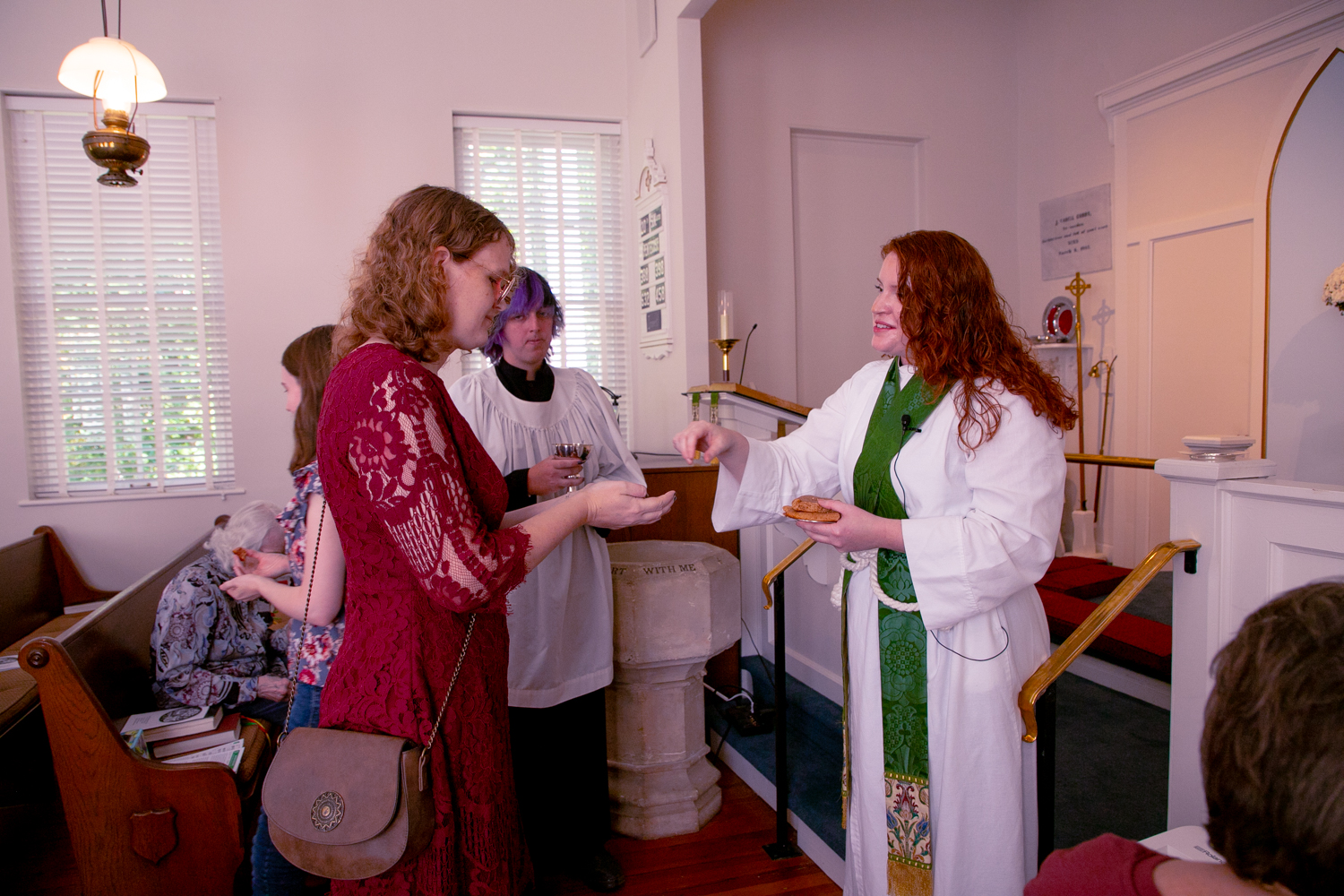
Community is so important as it can function as a support structure. The same goes for churches as well. A church isn’t the building, but the community of people who congregate there.
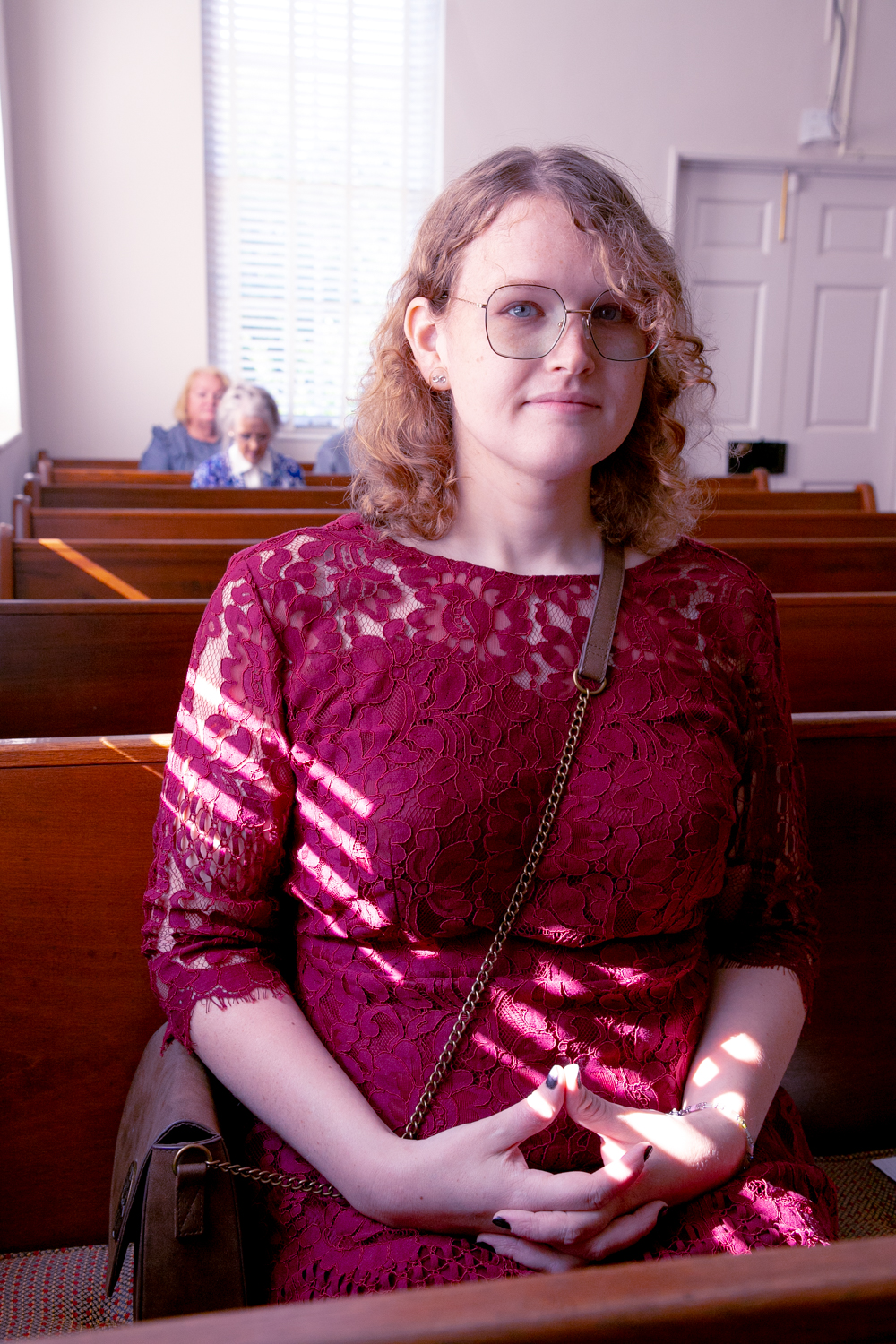
One of the most positive things to happen to me at the beginning of my transition was to find my current church, Trinity Episcopal. Being accepted by the congregation for who I was, and knowing that I wasn’t being secretly judged, made me feel safe. Some of the first times I ever dressed feminine in public was when I went to the services.
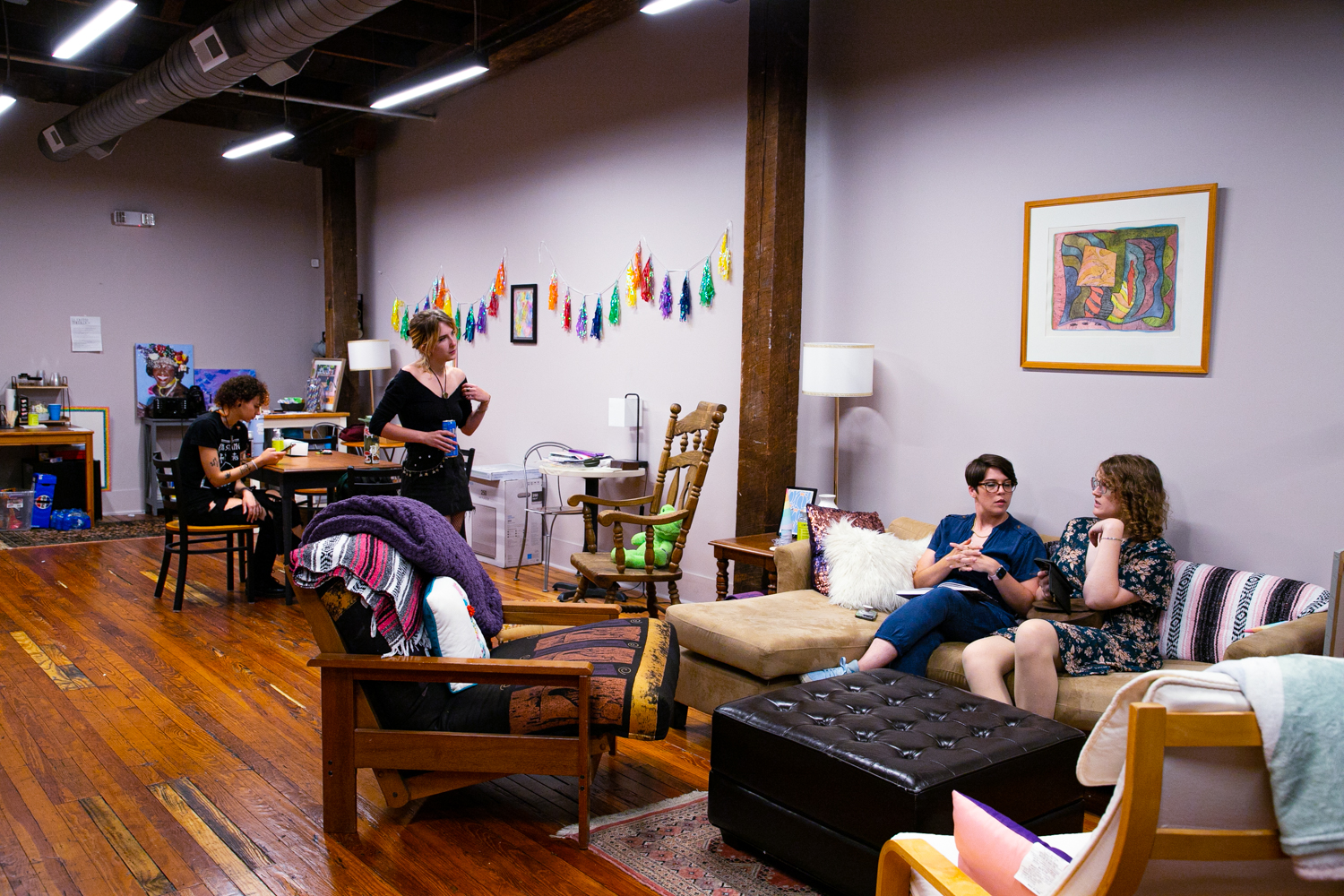
I’ve also gotten connected with a local queer space called the Lavender Lodge. Through it, I’ve been able to get connected to a huge community of queer individuals. And I’ve even gotten to the point where I’ve joined the leadership team and I’m helping the space in any way I can!